
 Field note 01
Ask before restricting a gift
Prepare a clear conversation about purpose, acceptance and practical conditions before proposing a restricted gift.
Read this note ↗
A gift begins with something you care about.
Give that intention a practical next step.
Giving well is a practice.
You can begin where you are.
Start with a cause, check the recipient and decide what fits your life now.
Explore this path ↗02Gather your questions before choosing how a future gift might work.
Explore this path ↗03Make the practical side easier with reading, checklists and a simple worksheet.
Explore this path ↗
Generosity can mean a regular donation, time at a local club or a conversation about the future. The amount is only one part of the story.
We make space for the other parts: clear questions, careful records and the people who need to understand your wishes.
About The Giving Field →A complicated promise is hard to carry out. A clear purpose, an identifiable recipient and a record someone can find are a more useful beginning.
Field note 01Prepare a clear conversation about purpose, acceptance and practical conditions before proposing a restricted gift.
Read this note ↗ Field note 02
How to turn the trip everyone keeps mentioning into a gift: one purpose, named jobs, clear promises about who pays and a short note to keep.
Read this note ↗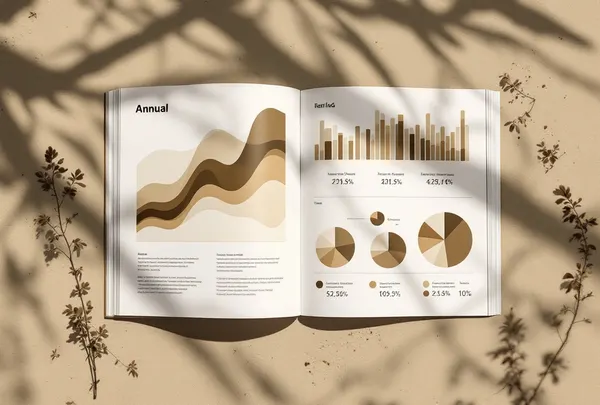 Field note 03
Read an annual report around one question, preserving the period, scope and limits of each useful finding.
Read this note ↗ Field note 04
Before a family pays for a parent's home EV charger: whose wish it is, what the electrician decides, how costs are shared and what to record.
Read this note ↗ Field note 05
How a club committee can match a painting job to what donors were asked for, check the painter and keep a record members can trust.
Read this note ↗ Field note 06
A family plan for a parent's cracked driveway: a clear purpose, a checked contractor, costs everyone agreed and a dated record.
Read this note ↗Look for an undated ledger with room for recipient, purpose, receipt and review notes. An ordinary notebook is enough to begin.
Read the selection notes →Borrow before buying. Compare the author’s assumptions, audience and publication date with the questions your family is asking.
Read the selection notes →