

Illustrative image. Examples in this guide are hypothetical.
A club committee has raised some money for the clubhouse, and the walls are the first thing members mention. The scuffs are real. The decision about who paints them, and how donated money is spent, keeps getting postponed. What should a committee ask before it books the kind of interior painting Colorado Springs clubs and households hire a professional for?
The plan does not need to be long. It needs a purpose the members agreed on, a short check of the painter, a written scope, a clear record of the money and a date to look again. Treat the job the way you would treat a new charity you were thinking of supporting: read what is actually offered before you form a view.
Purpose: what the donors were told
Start with the source. Find the message, flyer or meeting note that asked members for money, and read what it actually says. Not what the committee remembers. What it says.
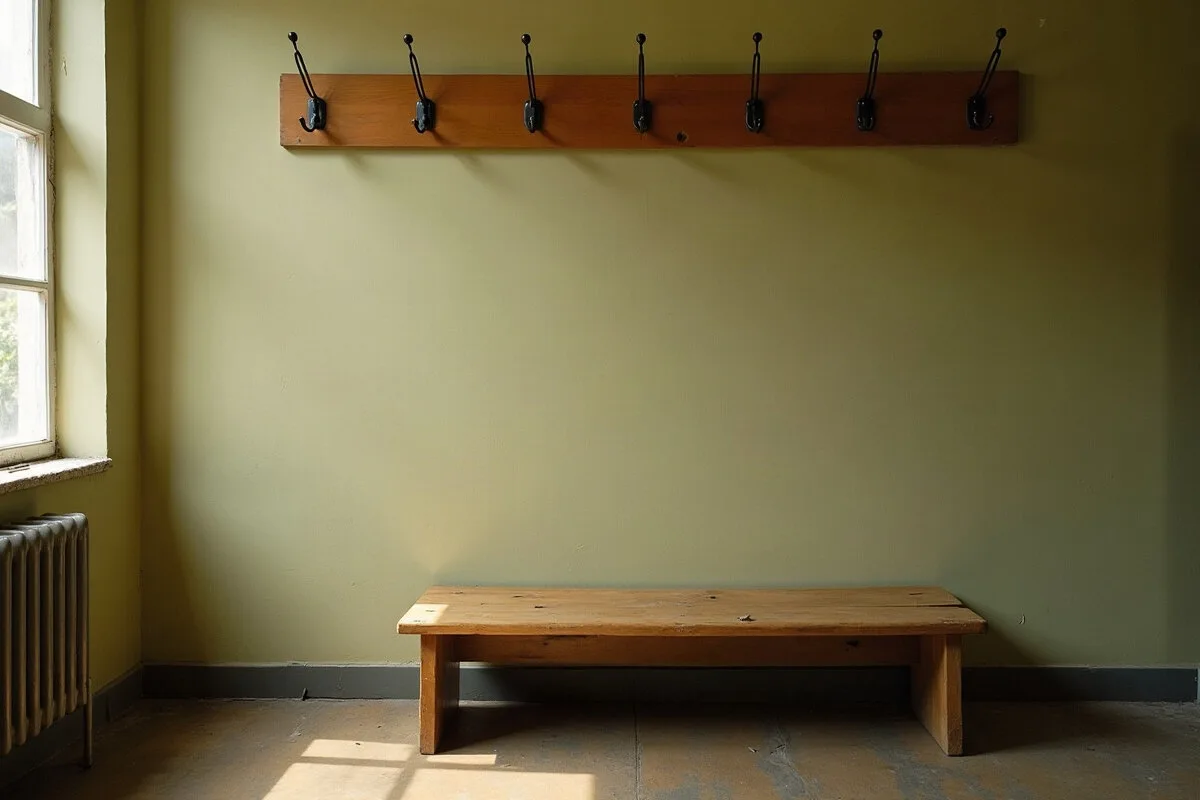
Suppose a hypothetical club asked members to help "refresh the changing rooms before the spring season". That is the purpose, and it is narrower than "redecorate the clubhouse". If the committee now wants to paint the hall and the kitchen too, that is a new purpose. It may be a good one, but the donors were not asked about it.
Write the purpose in one sentence and attach it to the job file. Every later decision gets checked against it.
Who does the work, and how to check them
Volunteers are generous, and some of them paint well. That does not make every job a volunteer job. Old buildings can have old paint, and older paint may contain lead. Disturbing it is work for a qualified professional. Ceilings, stairwells and anything that needs ladders or scaffolding at height also deserve a professional. Small tasks such as moving furniture, clearing shelves and washing down the kitchen tiles afterward suit volunteers well.
Once the committee decides to hire, keep the checks plain and written:
- Ask the painter what they would inspect before quoting, and listen for questions about surfaces, age of the building and existing paint.
- Ask for a written scope: rooms, surfaces, preparation, number of coats, cleanup.
- Ask about licensing and insurance, and how the committee can confirm them.
- Ask who will be on site and how the club's normal use of the building will be handled.
- Ask how changes to the scope are agreed and recorded.
Read the painter's own description
Before the first call, read how the company describes its interior work on its own pages. Note what it says it does and what it does not mention. That is the source. Then compare it with what the committee needs: a clubhouse is not quite a family living room, with heavier traffic, shared keys and fixed opening hours. If anything about the building is unusual, such as damp patches, a very old hall or rooms in daily use by young players, say so at the start rather than on the morning the work begins.
A careful painter will ask questions back. That is a good sign. A quote produced without anyone looking at the rooms tells you less than one that follows a walk-through.
Get more than one quote if the club's own rules ask for it, and many committees adopt that rule for any spending of donated money. Compare scopes, not only totals. A lower total that leaves out preparation is not the same job.
| What the quote says | What we assumed | Question to ask |
|---|---|---|
| "Walls, two coats" | Ceilings included | Are ceilings and trim in the scope? |
| "Standard preparation" | Holes filled and sanded | What does preparation include, room by room? |
| "Cleanup included" | Furniture moved back | Who moves furniture, and when? |
Before you commit
- Does the scope match the purpose the donors were given?
- Has the committee separated volunteer tasks from professional ones, including any old paint?
- Have licensing and insurance been confirmed, not just mentioned?
- Is there a written answer for every line in the table above?
Make room for the practical things
A home for your giving records
Look for an undated ledger with room for recipient, purpose, receipt and review notes. An ordinary notebook is enough to begin.
Read the selection notes →The commitment: money, time and goods
Put each kind of commitment on its own line. Money: the amount raised, the amount quoted, the difference. Time: which volunteers, on which days, doing which tasks. Goods: anything donated in kind, such as drop cloths or a member's offer to lend a van for furniture.
Mark each line as possible, asked or agreed. "Possible: a member might cover the shortfall" is not the same as "Agreed: the member confirmed in writing". Committees get into trouble when a possible line is spent as if it were agreed.
Suppose a hypothetical committee raised a round thousand dollars and received a quote somewhat above that. The arithmetic is simple. The decision is not. The committee can narrow the scope to fit the purpose, ask members for more with a clear explanation, or wait. Each option is legitimate. Spending money the donors did not give is not one of them.
Color choices belong here too. A shortlist chosen by two or three people, with the painter's view on durability for a busy room, saves an evening of debate. Light colors show scuffs in a changing room; the painter can say what holds up.
Time deserves the same honesty. A work party that clears the rooms on a Friday evening only helps if the painter's start date is fixed. Ask the painter how long the rooms will be out of use, then tell members and anyone who books the building. Put the closed dates on the club's normal calendar so nobody turns up to a locked changing room.
Agreement in the minutes
Whatever the committee decides, put it in the minutes: the scope, the painter, the amount, the dates. One sentence per item is enough. The minutes are the source the next committee will read.
The record: what to keep
The record answers one question a donor might later ask: what happened to the money? Keep it in the club's normal files, with a copy where a second officer can find it.
- The original appeal and the agreed purpose sentence.
- All quotes received, with dates.
- Notes on licensing, insurance and any lead paint questions, with the answers.
- The signed scope and any agreed changes.
- Before and after photos, taken from the same doorways.
- Invoices, receipts and the payment record.
- A short note to donors saying the work is done.

Before you commit
- Is every quote dated and filed, including the ones not chosen?
- Do the before photos exist before the first drop cloth goes down?
- Can a second officer find the full record without asking?
- Has the committee agreed when donors will be told the work is finished?
The review date
Paint in a busy clubhouse wears where hands, bags and boots meet it. Colorado Springs winters are dry and sometimes harsh, and members tend to track grit and snow indoors for months. Set a review for the end of the season, when the rooms have had their heaviest use.
At the review, walk the same doorways as the photos. Note what has held, what has scuffed and anything the painter said would need attention. If a problem looks like it comes from the work itself, contact the painter with photos and the scope rather than patching it at a work party. Record what you found and what the committee decided.
The review is also a good moment to read the purpose sentence once more. If it was met, say so to the donors. If it was only partly met, say that too, plainly.
One line for your plan
"Repaint the changing rooms before spring, as the donors were asked, with a checked and insured painter, the agreed amount only, and a walk-through at the end of the season."
Read the appeal again before every spending decision, and the rest tends to follow.
Keep one useful next step
A home for your giving records
Look for an undated ledger with room for recipient, purpose, receipt and review notes. An ordinary notebook is enough to begin.
Read the selection notes →