Illustrative image. Examples in this guide are hypothetical.
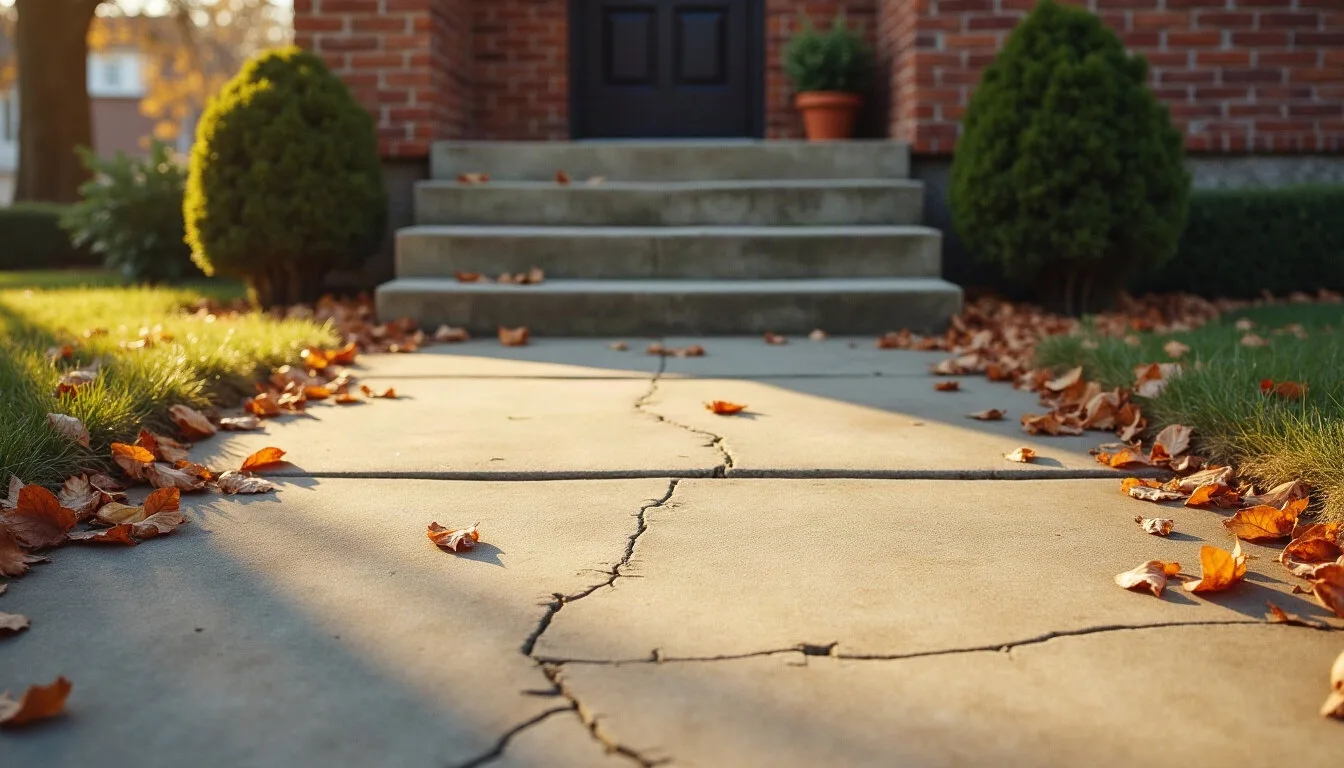
When a parent's house starts to need more than the parent can manage, the first repair the family notices is often underfoot: a cracked driveway that catches a walker wheel or trips someone carrying groceries. If you're researching how to fix cracked Driveways at a family home in Nashville, start with the questions below before anyone books a crew or picks up a bag of patching mix.
A clear plan here is short. It names what the repair should protect, who assesses and does the work, who pays and who agrees, what gets written down, and when the family looks again. The aim is not to make you an expert in concrete. It is to help you bring the right questions to a qualified contractor and to the relatives who share the decision.
Purpose: safety, the house or both
Start with one sentence about why the repair matters now. For a hypothetical family, it might read: "So that Mom can walk from the car to the front door safely through the winter." Another family might write: "So that the house is in fair condition before we discuss its future together." Both are reasonable, and they lead to different conversations.
A safety purpose points toward the trip hazards and the route your parent actually uses each day. A purpose tied to the future of the house points toward a broader look at the property, often alongside an estate conversation that belongs with an attorney and the family. Writing the sentence first keeps a small repair from quietly becoming a large project nobody agreed to.

It also helps to separate what to do now from what to discuss later:
- Do now: note where the cracks are, which ones are on the daily walking path, and anything that has changed recently.
- Discuss later: larger questions about the house itself, such as selling, renting or keeping it in the family.
Who does the work, and how to check them
Driveway cracks can be cosmetic, or they can be a sign of something underneath, such as drainage problems or movement in the ground. Telling the difference is a job for a qualified contractor, not for a relative with a weekend free. If a crack is close to the house, runs into the foundation, or sits near steps and porches, mention that specifically when you ask for an assessment. Foundation and structural questions are for licensed professionals.
When you contact a contractor, the conversation should cover a few plain points. Ask what they would inspect, what they think is causing the cracking, what options they see and what each option involves. Ask for the scope in writing. Ask who will be on site and how your parent's daily routine will be handled while the work happens, including access to the door and the car.
Check the basics the way you would check any provider before committing family money. Ask about licensing and insurance and how to confirm them. Ask the local building department whether the work needs a permit. Read the written scope slowly, and ask about any line you do not understand.
It is worth getting more than one view if the family is unsure. Two contractors describing the same cracks in different terms is not a problem in itself; it gives you better questions. Ask each one what they would do first if the budget allowed only part of the work, and why. Their answers tell you what they consider urgent and what can wait, which is exactly what a family needs to know before it agrees on a plan.
Before you commit
- Has someone written down exactly where the cracks are and which ones are on the daily path?
- Has a qualified contractor explained what is likely causing them?
- Do you have the scope in writing, and does everyone who shares the cost understand it?
- Has the contractor explained how your parent will get in and out during the work?
Make room for the practical things
A home for your giving records
Look for an undated ledger with room for recipient, purpose, receipt and review notes. An ordinary notebook is enough to begin.
Read the selection notes →Reading about generosity
Borrow before buying. Compare the author’s assumptions, audience and publication date with the questions your family is asking.
Read the selection notes →The commitment: money, time and agreement
Family repairs go wrong most often on agreement, not on concrete. Put the commitment on separate lines, and mark each one as possible, asked or agreed. The difference between those three words is the whole point. "Possible" means someone could do it. "Asked" means the request has actually been made, to a named person. "Agreed" means that person said yes, and everyone who shares the cost knows it.
A hypothetical family's version might look like this:
| Item | Possible | Asked | Agreed |
|---|---|---|---|
| Who pays for the repair | Split between siblings | Asked each sibling by message | Not yet |
| Who meets the contractor | Eldest child, who lives nearby | Asked on the family call | Yes |
| Who checks on the parent during the work | A neighbor or grandchild | Not yet asked | Not yet |
Use the family's own figures for money, never a guess. If the quote is larger than expected, that is a reason to ask the contractor to explain the options again, not a reason to pick the cheapest line without understanding it.
Time matters too. Someone has to be reachable on the days the crew works, and someone has to keep your parent informed. Older relatives often prefer to hear the plan from one familiar person rather than a group chat, so name that person.
Hold the conversation once, properly
Before the work is booked, gather the people who share the cost and the parent whose home it is. Go through the purpose sentence, the written scope and the table above. The parent's view counts first: it is their home, and a repair they did not want is not a gift. If a broader estate question comes up, write it down for a later meeting with the right professional rather than settling it at the kitchen table.

The record: what to keep
Once the repair is agreed, keep a short, dated record in the same place the family keeps other papers about the house. This is plain housekeeping, and it pays off later, especially if the home becomes part of an estate conversation.
- The purpose sentence and the date it was agreed.
- Photos of the driveway before the work, taken from the same spots each time.
- The written scope and quote, and any changes agreed during the job.
- Notes on licensing, insurance and permit questions, with the answers you received.
- Receipts and the final invoice, with who paid what.
- Photos after the work, from the same spots.
Before you commit
- Are the before photos taken and dated?
- Is the signed scope stored where at least two family members can find it?
- Does the record show who paid what share?
- Have open questions about the house been written down for the right professional?
The review date
Set a date to walk the driveway again, ideally after the first stretch of wet or freezing weather, since Nashville winters can bring rain and the odd hard freeze that test new work. Walk it with your parent if they are willing, using the same route they take every day.
At the review, look for new cracks, standing water and anything that has shifted. Compare what you see with the after photos. If something has changed, contact the contractor who did the job and describe it with photos rather than trying a fix yourselves. Add the review date and what you found to the family record.
The review is also a natural moment to revisit the larger questions on your "discuss later" list. If the house is likely to be sold, rented or passed on, the record of what was repaired, when and by whom is useful to the attorney, the family and anyone who inspects the property later.
One line for your plan
"Repair the cracks on Mom's daily path to the door, with a licensed contractor and a written scope, shared costs agreed by all of us, and a walk-through after the first freeze."
A small repair done carefully, and written down, is one of the quieter ways a family looks after the people and the home it shares.
Keep one useful next step
A home for your giving records
Look for an undated ledger with room for recipient, purpose, receipt and review notes. An ordinary notebook is enough to begin.
Read the selection notes →Reading about generosity
Borrow before buying. Compare the author’s assumptions, audience and publication date with the questions your family is asking.
Read the selection notes →